
When winter arrives, the forest turns silent and cold—but many animals are still there, quietly fighting for survival. Each species has developed unique strategies to endure freezing temperatures, food shortages, and long nights. Here are the most fascinating ways forest animals survive winter.
🖍️1. Hibernation: Long Sleep to Save Energy
Some animals enter a deep sleep called hibernation. During this time, their body temperature, heartbeat, and breathing slow dramatically.
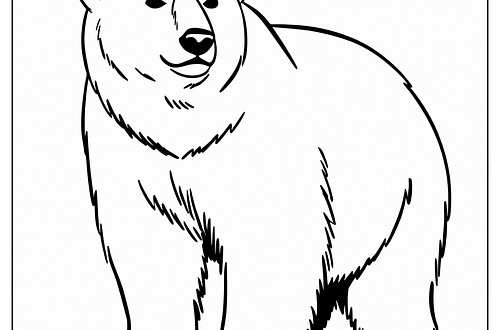
- Bears store body fat all autumn and sleep inside caves or burrows.
- Chipmunks wake up occasionally to eat the food they stored.
- Bats hang in caves and can lower their heart rate from 200 beats per minute to just 10.
🖍️2. Food Storage: Preparing Like a Smart Planner
Animals such as squirrels and woodpeckers spend months hiding nuts and seeds. They remember dozens of hiding spots and return to them throughout winter.
Some birds create small “pantries” in tree holes, storing insects or acorns one by one.
🖍️3. Growing a Winter Coat
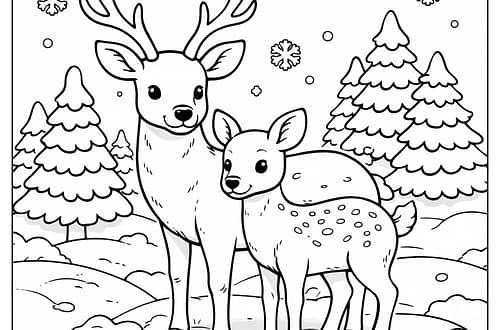
Deer, foxes, and wolves grow thicker fur as temperatures drop. Their winter coat traps warm air close to their skin, working like a natural jacket.
Some animals even change color—the snowshoe hare becomes completely white in winter to stay hidden from predators.
🖍️4. Migration: Escaping the Cold
Instead of fighting the cold, some animals leave. Migratory birds fly thousands of kilometers to warmer regions.
Even small insects such as monarch butterflies migrate long distances to survive winter.
🖍️5. Supercooling and Freezing Resistance
Certain insects, frogs, and reptiles produce natural antifreeze proteins, preventing their bodies from freezing solid.
Wood frogs can freeze almost completely, then thaw and return to life when spring arrives—one of the most incredible survival strategies in nature.
💡Conclusion
These winter survival strategies are not just fascinating—they are essential for maintaining the balance of the forest ecosystem. If even one species fails to survive, the entire food chain can collapse.
So the next time you walk through a quiet winter forest, remember:
It may seem silent, but beneath the snow, life is still beating.